
Proper Gown Care
Essential Guidelines for Preservation
Avoid Prolonged Hanging
Hanging your wedding gown for extended periods can cause it to stretch and sag.
Skip Plastic Bags
Don’t seal fragile gowns in plastic bags; trapped moisture can lead to mildew and fabric rot.
Protect from Light and Air
Keep your gown away from strong light and open air to prevent dust, dirt, and sunlight from causing deterioration.
Prevent Yellowing
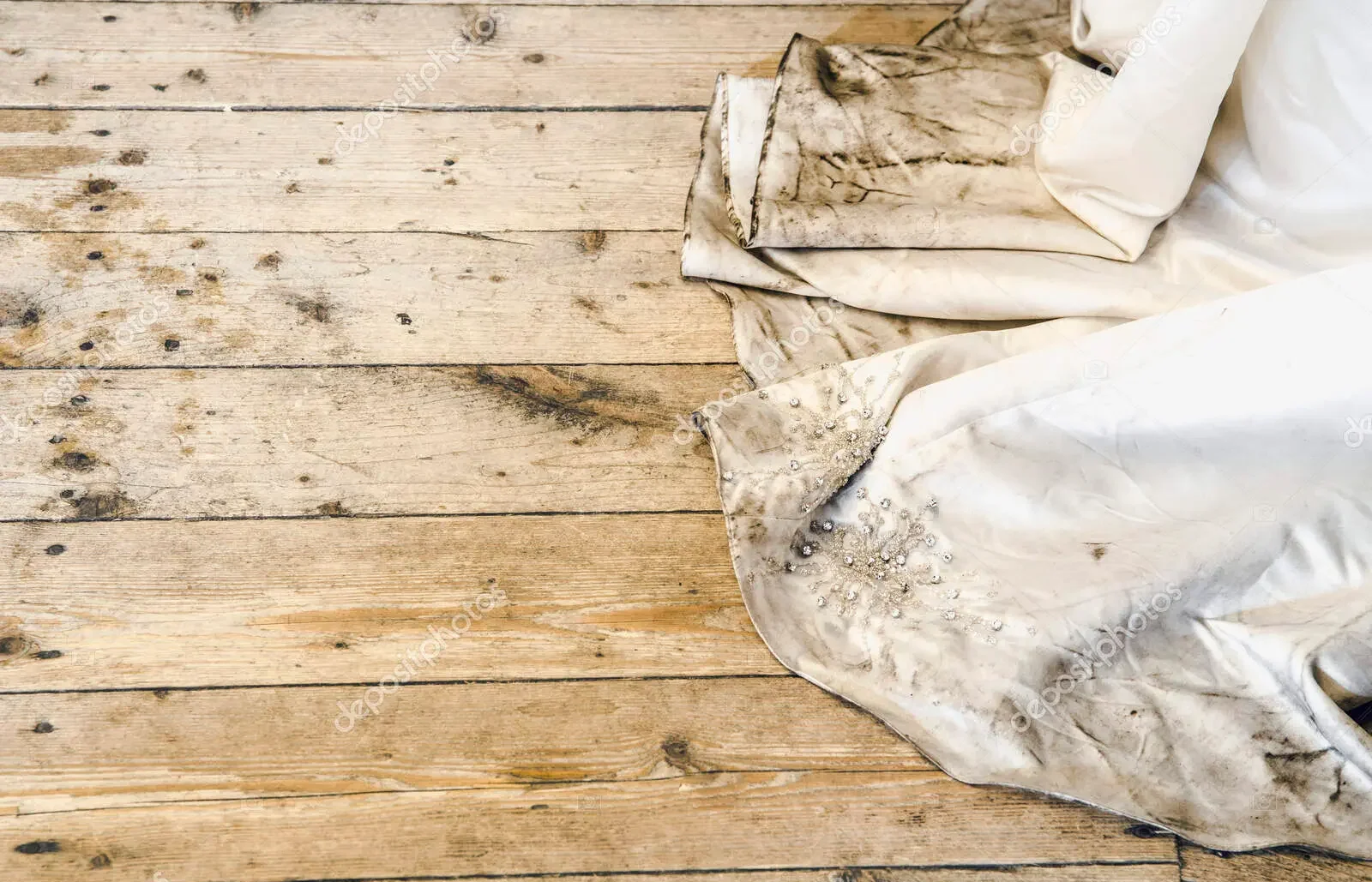
Airborne bacteria can quickly turn your gown yellow, so have it professionally cleaned within 60 days of your wedding.
At Private Launderers, our expertise and attention to detail are key to preserving the sentimental value of your gown, no matter its price tag.
Fabric Facts: Understanding Your Wedding Gown
Preservation, Style, and Material Insights
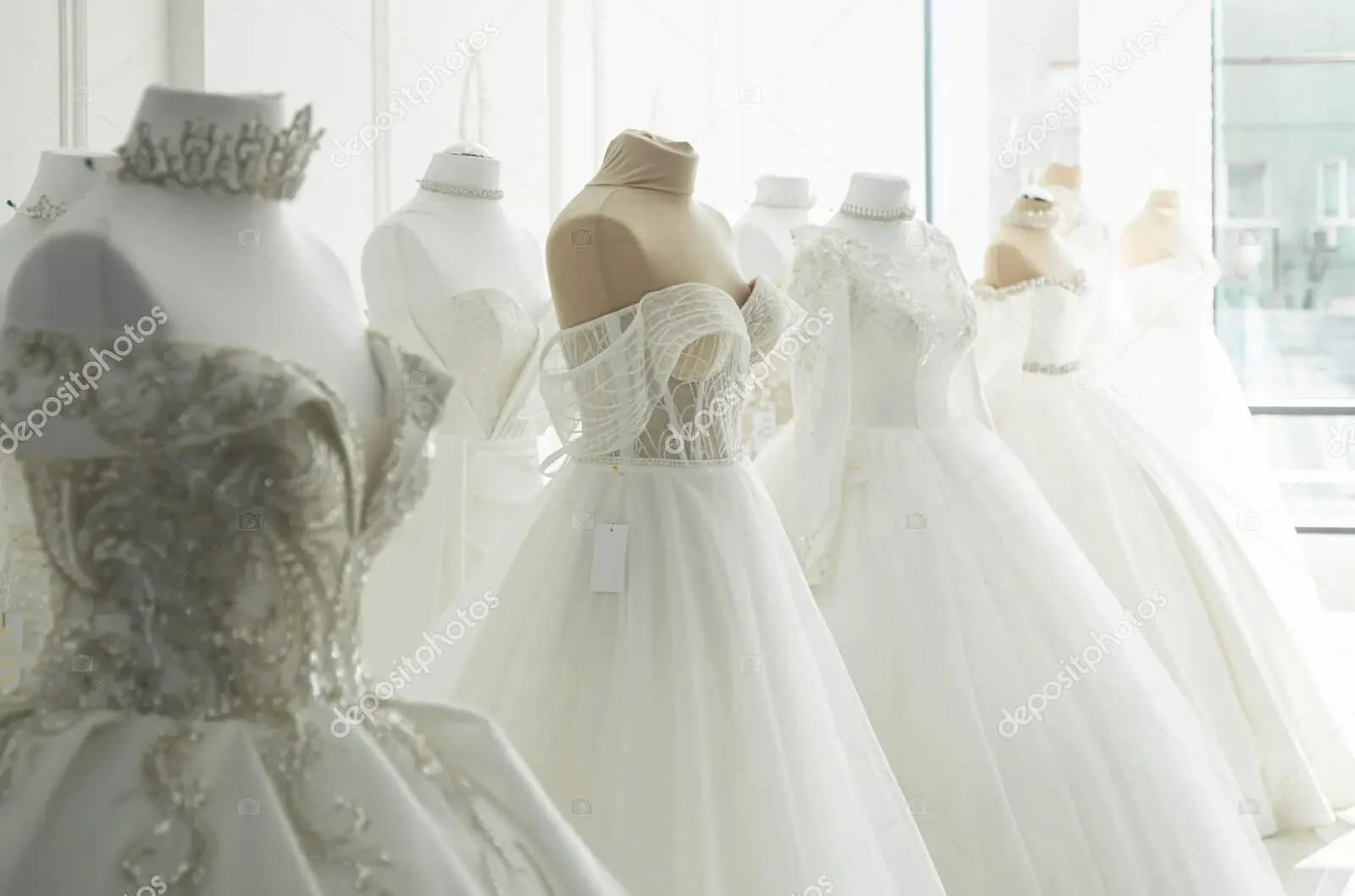
A wedding gown is one of the most important and cherished articles of clothing selected by a customer. People attempt to preserve wedding gowns for the joy of remembrance and the possibility of passing the gown on for future use to members of the family.
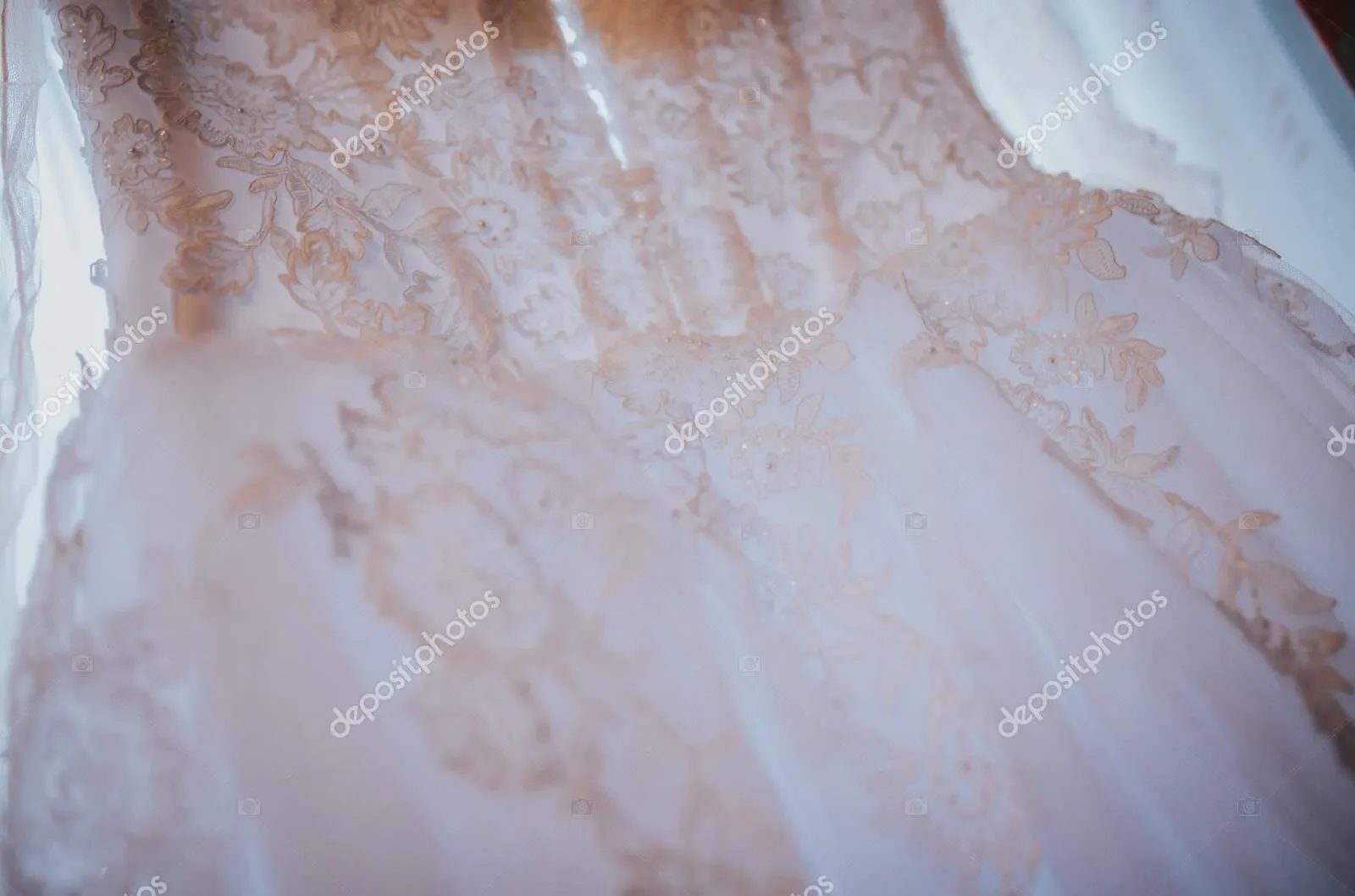
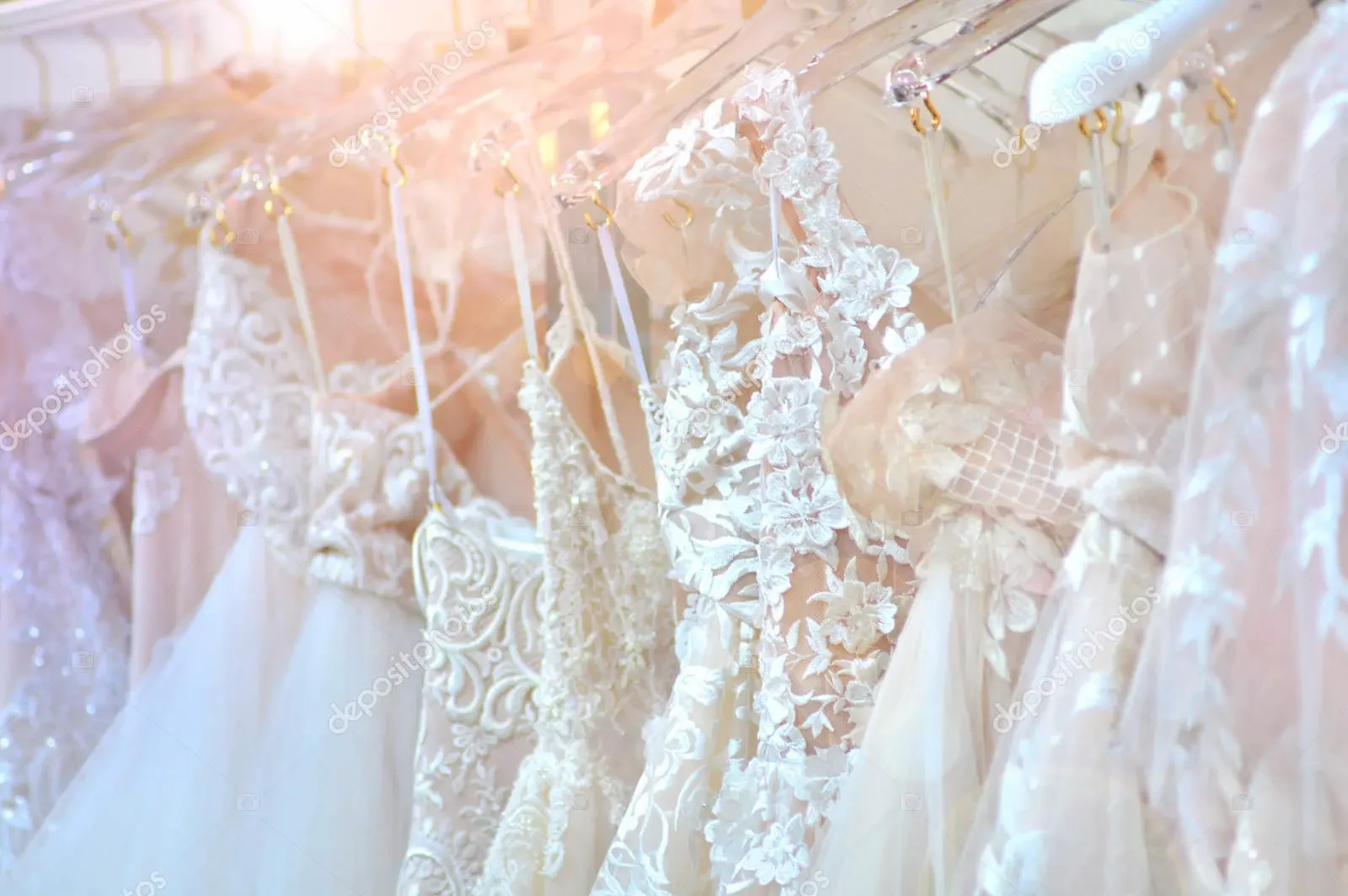
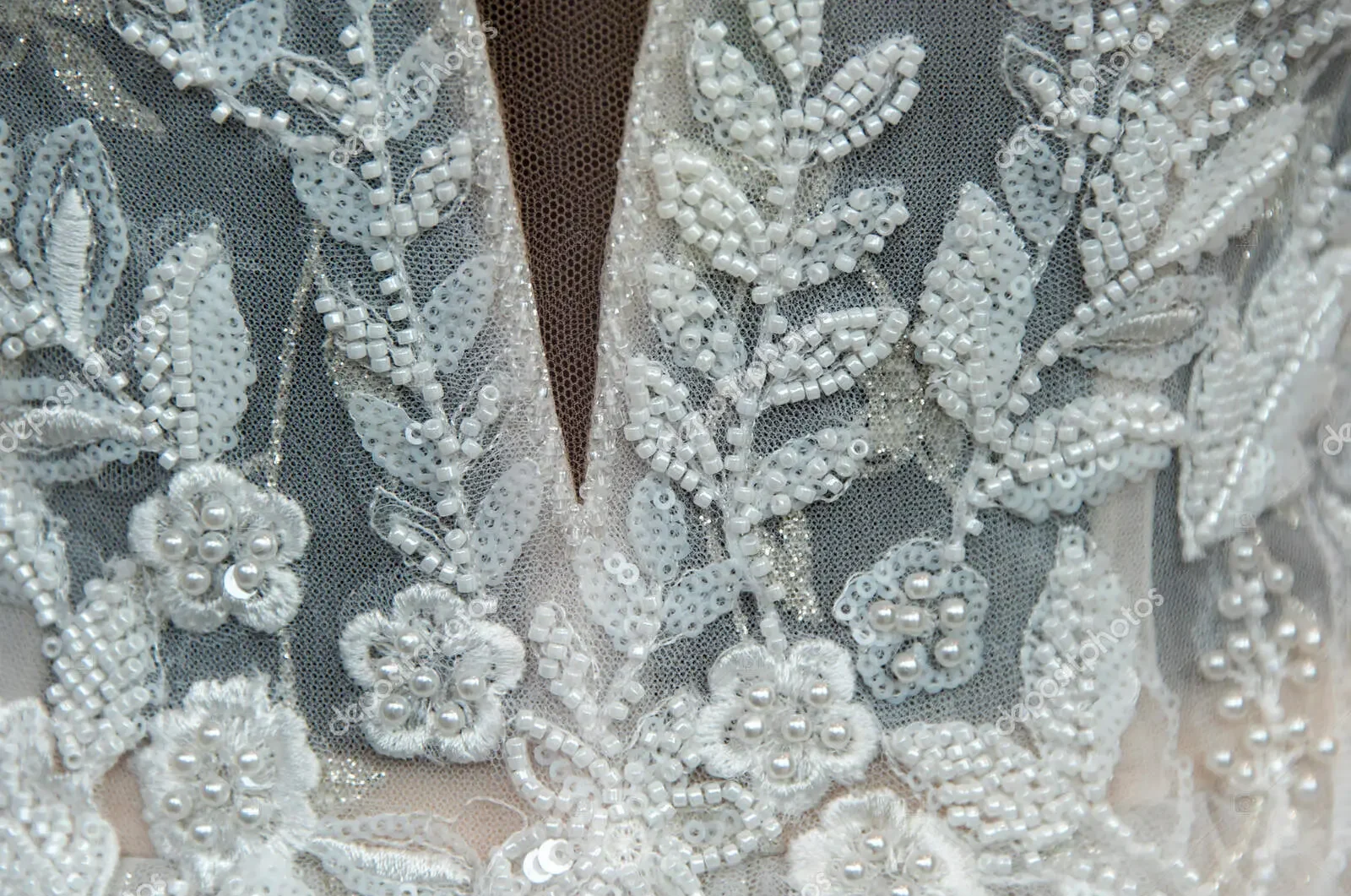
The styles of wedding gowns have undergone some fashion changes but not dramatically. The wedding gown relies on lace and ornamental trimming such as beads, sequins, pearls and droplets to emphasis their uniqueness. The color is traditionally white but can range from pure white to beige, ivory of white and ecru.
A wedding gown fabric is usually taffeta, satin and occasionally velvet or crepe is used. The fibers commonly used for wedding gown are acetate, polyester, nylon, rayon, cotton and silk.
Preserving Sentimental Value Beyond Price Tags
Expert Care and Knowledge for Your Wedding Gown
Care and knowledge are the key to Private Launderers success in preserving your wedding gown. Wedding gowns may have different price tags, but all gowns have a large degree of sentimental value.
Trim Testing: Ensuring Your Gown’s Integrity
Evaluating Beads and Sequins for Cleaning Compatibility
Many wedding gowns lack care labels and aren’t designed for easy maintenance, which can lead to issues like yellowing from aged stains and weakened areas from improper storage.
It’s essential to assess how trims—such as beads, lace, and feathers—are attached. Decorations often use glue, which needs testing to ensure it won’t dissolve in cleaning solvents. We apply solvent to a small area to check if the glue softens, indicating potential loss during cleaning.
Testing trims for solvent resistance is crucial, as many beads with polystyrene cores or sequins with metallic coatings may deteriorate. We check these by applying solvent to a hidden area and monitoring any changes in color or reflectance.
If any problems are detected, we’ll contact you to discuss the findings and possible alternatives. If there are concerns about the gown’s resilience to the cleaning process, we may request your consent and outline potential risks. Thorough testing helps avoid unforeseen damage and preserves your treasured garment.
From Pre-Spotting to Preservation
Meticulous Handling from Start to Finish
Pre-Spotting
At Private Launderers, every gown is meticulously hand-examined by our founder, Gaetano Santoro, to ensure the highest level of care. Before the initial cleaning process, we prespot each wedding gown to minimize agitation during dry or wet cleaning. This step is particularly crucial for heavily soiled hemlines and for treating specific stains, such as blood, albumin, sugar, and food or beverage marks, which are more effectively addressed through targeted spot treatment.
Finishing
Following the final inspection, we hand-finish each gown with precision. The gown is then hung to allow any remaining moisture to evaporate, ensuring a flawless finish.
Preservation
Once the gown is thoroughly cleaned and stain-free, it is carefully prepared for long-term storage in our specialized acid-free preservation chest. Our acid-free paper, free from alum and made with synthetic sizing and non-acidic dyes, ensures that the gown remains protected from atmospheric pollutants and maintains its pristine condition over time.